

Travelers often assume that feeling “somewhere else” requires crossing an ocean. In reality, some of the most transportive trips in the U.S. come from places that break the typical American travel mold. These destinations stand out because of their architecture, geography, culture, or pace of life. They don’t try to replicate other countries, but they naturally evoke the same sense of novelty and immersion.
Here are seven U.S. destinations that consistently surprise travelers by how un-American they feel once you arrive.
Santa Fe, New Mexico
With its adobe architecture, desert landscapes, and deep Indigenous and Spanish influence, Santa Fe feels closer to parts of Mexico or Spain than to most U.S. cities. The city’s design is cohesive and intentional, and the pace is slower than what most travelers expect. Art, food, and outdoor space are woven into daily life rather than treated as attractions.
Sedona, Arizona
Red rock formations, vast open space, and a quiet, reflective atmosphere give Sedona a feel more similar to parts of Jordan or Morocco than the American Southwest. The experience here is less about sightseeing and more about being in the landscape, hiking, and slowing down.
New Orleans, Louisiana
New Orleans remains one of the most culturally distinct cities in the country. The architecture, music, food, and street life feel far removed from the rest of the U.S. Its French and Caribbean influences are visible everywhere, and daily life spills into public spaces in a way that feels distinctly international.
San Juan Islands, Washington
This region feels more like coastal Scandinavia than the Pacific Northwest. Small ferry-access towns, cool weather, rugged shorelines, and a focus on nature create a sense of isolation and calm. The experience is less commercial and more about rhythm and scenery.
Mackinac Island, Michigan
With no cars, historic buildings, and a strong European influence, Mackinac Island feels like a step back in time. The lack of modern infrastructure forces a slower pace, which is part of its appeal. It’s closer in feel to small towns in Europe than to a typical U.S. resort.
Taos, New Mexico
Taos blends art, spirituality, and desert landscapes in a way that feels both ancient and detached from modern America. Its pueblo roots and creative community give it a grounded, lived-in feel rather than a tourist-driven one.
Key West, Florida
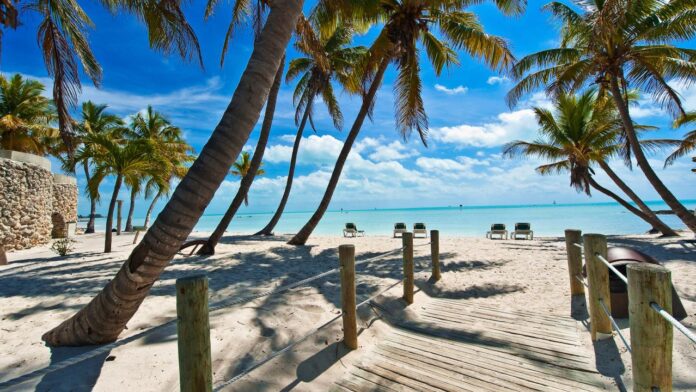
Geographically and culturally, Key West operates on its own wavelength. The Caribbean influence, pastel buildings, and open-air lifestyle make it feel closer to island nations than mainland Florida. The emphasis here is on simplicity and presence rather than productivity.